
Urination Problems Treatment in Delhi
Advanced diagnosis and treatment for all urinary tract dysfunction and voiding disorders
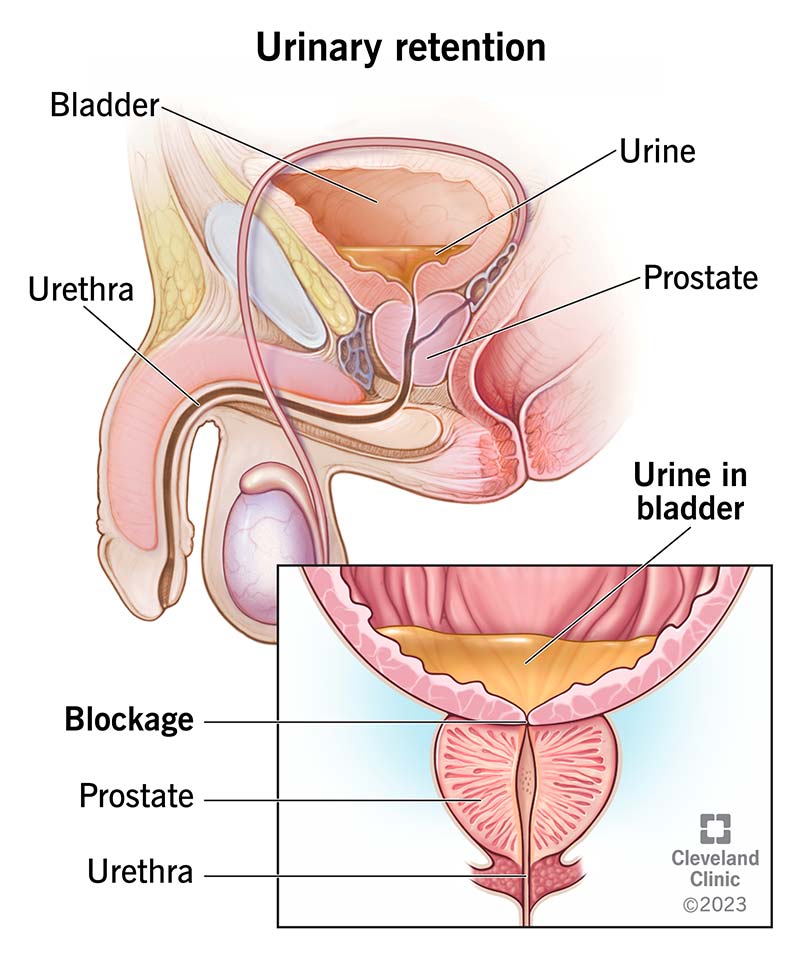
Comprehensive Urinary Dysfunction Management
At BLK-MAX Hospital, our expert urologists specialize in diagnosing and treating all types of urination problems, from common issues like frequent urination and urgency to complex voiding dysfunctions. Using state-of-the-art diagnostic tools and advanced treatment modalities, we provide personalized care plans that address the root cause of urinary symptoms and restore normal bladder function.
Common Urination Problems We Treat
Urination problems can significantly impact quality of life and may indicate underlying medical conditions. Our comprehensive urology program addresses a wide spectrum of voiding disorders affecting both men and women across all age groups.
From simple lifestyle-related issues to complex neurological conditions, our experienced team utilizes advanced diagnostic techniques including urodynamic testing, cystoscopy, and imaging studies to accurately identify the cause of urinary symptoms.
Early diagnosis and appropriate treatment are crucial for preventing complications such as urinary tract infections, kidney damage, and progressive bladder dysfunction. We offer both conservative management and advanced surgical interventions tailored to each patient's specific needs.
Urgent Warning Signs
Complete Urinary Retention:
Inability to urinate at all - requires emergency care
Blood in Urine:
Visible blood or dark colored urine needs immediate evaluation
Fever with Urinary Symptoms:
May indicate kidney infection or sepsis
Severe Pain:
Intense pain during urination or in lower abdomen
Types of Urination Problems
Comprehensive management of all voiding dysfunctions
Frequency & Urgency
Frequent urination, sudden strong urge to urinate (overactive bladder)
Incontinence
Stress, urge, mixed, overflow, and functional incontinence types
Retention
Difficulty starting urine flow, weak stream, incomplete emptying
Painful Urination
Dysuria, burning sensation, pain during or after urination
Nocturia
Waking up multiple times at night to urinate
Hesitancy & Straining
Difficulty initiating flow, need to strain to urinate
Interrupted Stream
Urine flow starts and stops, spraying or splitting stream
Post-Void Dribbling
Leakage of urine after finishing urination
Comprehensive Diagnostic Approach
Detailed History
Comprehensive symptom assessment and medical history review
- Symptom analysis
- Voiding diary review
- Medication review
Physical Examination
Comprehensive urological and neurological assessment
- Digital rectal exam
- Pelvic examination
- Neurological assessment
Laboratory Tests
Comprehensive urinalysis and blood work evaluation
- Urine analysis
- Culture & sensitivity
- Renal function tests
Imaging Studies
Advanced imaging to visualize urinary tract anatomy
- Ultrasound
- CT scan
- MRI
Urodynamic Studies
Comprehensive assessment of bladder and sphincter function
- Cystometry
- Flow rate study
- Pressure studies
Endoscopic Evaluation
Direct visualization of urethra and bladder
- Cystoscopy
- Urethroscopy
- Biopsy if needed
Post-Void Residual
Measurement of urine remaining in bladder after voiding
- Bladder scan
- Catheterization
- Volume measurement
Specialized Testing
Targeted tests based on specific symptoms
- Video urodynamics
- Electromyography
- Provocative tests
Treatment Options for Urination Problems
| Problem Type | Conservative Treatment | Medication Options | Surgical Interventions |
|---|---|---|---|
| Overactive Bladder | Bladder training, pelvic exercises, fluid management | Anticholinergics, beta-3 agonists, tricyclic antidepressants | Botox, sacral neuromodulation |
| Stress Incontinence | Pelvic floor therapy, lifestyle modifications | Duloxetine, topical estrogen | Sling procedures, bladder neck suspension |
| BPH/Outlet Obstruction | Watchful waiting, lifestyle changes | Alpha-blockers, 5-alpha reductase inhibitors | TURP, laser prostatectomy, Urolift |
| Urinary Retention | Timed voiding, double voiding | Alpha-blockers, cholinergics | Blneck incision, prostate surgery |
| Neurogenic Bladder | Scheduled catheterization, lifestyle adjustments | Anticholinergics, botulinum toxin | Augmentation, urinary diversion |
| Interstitial Cystitis | Diet modification, physical therapy, stress management | Pentosan, amitriptyline, antihistamines | Bladder distension, neuromodulation |
| Urethral Stricture | Observation if asymptomatic | Limited medical options | Urethrotomy, urethroplasty |
| Nocturia | Fluid restriction, leg elevation, compression stockings | Desmopressin, diuretics | Treatment of underlying cause |
Lifestyle Modifications & Behavioral Therapy
Many urination problems can be significantly improved or completely resolved through conservative measures before considering medications or surgery. Our comprehensive behavioral therapy program provides patients with practical strategies to manage urinary symptoms.
Conservative Management Strategies:
-
Bladder Training: Scheduled voiding, urge suppression techniques, progressive delay
-
Pelvic Floor Rehabilitation: Kegel exercises, biofeedback, electrical stimulation
-
Dietary Modifications: Bladder irritant avoidance, fluid management, constipation prevention
-
Weight Management: BMI reduction, abdominal pressure reduction
Advanced Surgical Interventions
Minimally Invasive Procedures
TURP, laser enucleation, Urolift, Rezum for BPH obstruction
Neuromodulation
Sacral nerve stimulation, percutaneous tibial nerve stimulation
Botox Therapy
Intradetrusor injections for overactive bladder and neurogenic bladder
Note: Treatment selection is individualized based on comprehensive evaluation, symptom severity, patient preferences, and underlying causes. Many patients achieve significant improvement through combined conservative and medical approaches.
Specialized Care Programs
Targeted approaches for specific patient populations
Men's Health Program
Specialized care for BPH, prostate issues, and male voiding dysfunction
- Prostate health evaluation
- BPH management
- Post-prostatectomy care
Women's Pelvic Health
Comprehensive care for female urinary and pelvic floor disorders
- Stress incontinence treatment
- Pelvic organ prolapse
- Postmenopausal concerns
Neuro-Urology Program
Specialized care for neurological conditions affecting bladder function
- Spinal cord injury care
- Multiple sclerosis management
- Parkinson's disease care
Treatment Success and Patient Outcomes
Symptom Improvement
Significant improvement with comprehensive treatment approaches
Patient Satisfaction
High satisfaction with quality of life improvement
Conservative Success
Patients improve with behavioral therapy alone
Surgical Success
High success rates for appropriately selected surgical procedures
Factors Influencing Treatment Success
Early treatment prevents symptom progression and complications
Following treatment recommendations crucial for success
Team-based care improves outcomes for complex cases
Tailored approaches based on individual needs and causes
Comprehensive Urodynamics Center at BLK-MAX Hospital
Our state-of-the-art urodynamics laboratory and multidisciplinary voiding dysfunction clinic provide comprehensive evaluation and treatment for all types of urination problems. We combine advanced diagnostic technology with expert clinical care to develop personalized treatment plans that restore normal bladder function and improve quality of life.
Advanced Diagnostics
State-of-the-art urodynamic testing and imaging capabilities
Multidisciplinary Team
Collaboration between urologists, neurologists, and rehabilitation specialists
Holistic Approach
Integration of medical, behavioral, and surgical therapies
Schedule Your Urinary Evaluation Today
Don't let urination problems control your life. Contact BLK-MAX Hospital to schedule a comprehensive evaluation with our urology specialists. We offer same-day appointments for urgent concerns and provide thorough assessment to identify the cause of your symptoms and develop an effective treatment plan.
Note: Many urinary problems are treatable with non-invasive approaches. Early evaluation can prevent complications and improve treatment outcomes.