
Chronic Pelvic Pain Treatment in Delhi
Comprehensive Diagnosis and Treatment for Persistent Pelvic Discomfort
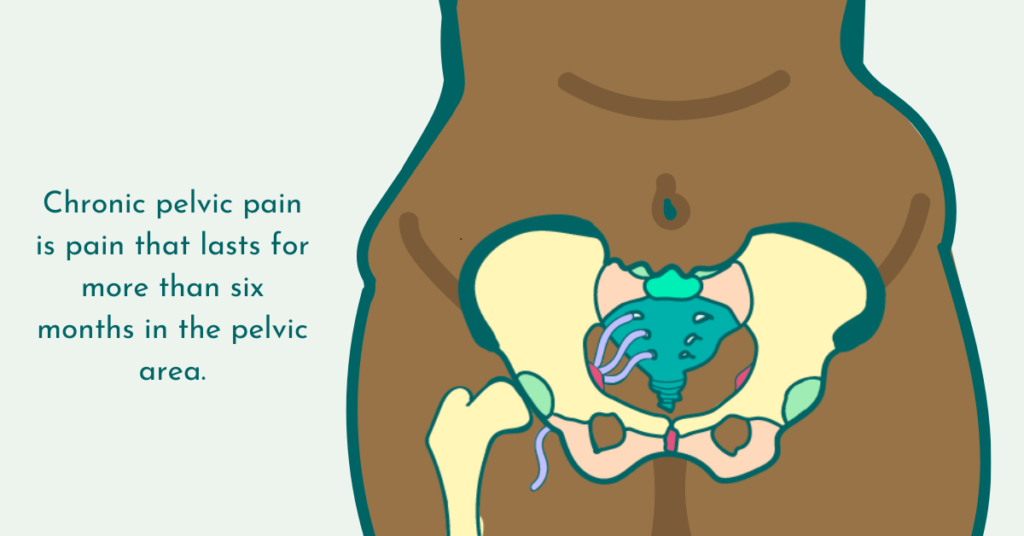
Comprehensive Chronic Pelvic Pain Management
At BLK-MAX Hospital, our multidisciplinary pain management team specializes in the diagnosis and treatment of chronic pelvic pain, a complex condition affecting both men and women. We employ a comprehensive, biopsychosocial approach that addresses the physical, neurological, psychological, and social aspects of persistent pelvic discomfort to restore function and improve quality of life.
Understanding Chronic Pelvic Pain
Chronic Pelvic Pain (CPP) is defined as non-cyclical pain lasting for at least 6 months, localized to the pelvic region, anterior abdominal wall, perineum, or lumbosacral back, severe enough to cause functional disability or require medical care. Unlike acute pain which serves as a warning signal, chronic pain becomes a disease state itself, involving complex interactions between peripheral nerves, central nervous system sensitization, psychological factors, and social influences.
CPP can affect both men (chronic prostatitis/chronic pelvic pain syndrome) and women (vulvodynia, endometriosis, interstitial cystitis), though the prevalence is higher in women. The pain may be constant or intermittent, sharp or dull, localized or diffuse, and is often accompanied by urinary, bowel, sexual, or psychological symptoms. Central sensitization—where the nervous system becomes hypersensitive—plays a key role in maintaining pain even after initial triggers have resolved.
Successful management requires a multidisciplinary approach involving urologists, gynecologists, pain specialists, physical therapists, psychologists, and other healthcare professionals. Treatment focuses on functional restoration, symptom management, and improving quality of life rather than seeking a complete "cure."
Key Facts About Chronic Pelvic Pain
Prevalence:
Affects 15-20% of women and 2-10% of men, significant quality of life impact
Duration:
Defined as pain lasting ≥6 months, often persisting for years without treatment
Complexity:
Multifactorial etiology involving biological, psychological, social factors
Treatment Approach:
Multidisciplinary, biopsychosocial model essential for effective management
Comprehensive Treatment Approaches
Multidimensional strategies addressing the complex nature of chronic pelvic pain
Comprehensive Diagnosis
Thorough history, physical exam, diagnostic testing, pain mapping, multidisciplinary assessment
Medical Management
Analgesics, neuromodulators, muscle relaxants, hormonal treatments, targeted medications
Physical Therapy
Pelvic floor rehabilitation, manual therapy, myofascial release, therapeutic exercises
Psychological Support
Cognitive behavioral therapy, pain psychology, stress management, mindfulness techniques
Interventional Procedures
Nerve blocks, trigger point injections, neuromodulation, Botox injections
Specialty Treatments
Urological, gynecological, gastrointestinal approaches based on primary pathology
Advanced Therapies
Neuromodulation devices, regenerative medicine, complementary approaches
Lifestyle Integration
Diet modification, activity pacing, sleep hygiene, stress reduction, self-management
Comprehensive Management: Step-by-Step Approach
Comprehensive Assessment
Detailed pain history, physical exam, psychological screening, quality of life evaluation
- Pain mapping
- Symptom diaries
- Multidimensional evaluation
Diagnostic Testing
Targeted investigations based on suspected etiology, ruling out treatable conditions
- Imaging studies
- Laboratory tests
- Specialist consultations
Multidisciplinary Planning
Team-based treatment planning addressing all contributing factors
- Team conference
- Individualized goals
- Treatment sequencing
Medical Management Initiation
Evidence-based pharmacological approaches tailored to pain mechanisms
- Mechanism-based selection
- Gradual titration
- Side effect management
Physical Therapy Integration
Pelvic floor rehabilitation, manual therapy, therapeutic exercise program
- Muscle assessment
- Manual techniques
- Home program development
Psychological Intervention
Pain psychology, cognitive restructuring, coping skills development
- Cognitive behavioral therapy
- Mindfulness training
- Stress management
Interventional Procedures
Targeted injections, nerve blocks, neuromodulation for refractory pain
- Diagnostic blocks
- Therapeutic injections
- Neuromodulation trials
Ongoing Management
Regular follow-up, treatment adjustments, functional restoration focus
- Progress monitoring
- Treatment optimization
- Relapse prevention
Treatment Modalities Comparison
Pharmacological Management
Medications targeting specific pain mechanisms and contributing factors
- NSAIDs, neuropathic agents
- Muscle relaxants
- Central sensitization drugs
Physical Rehabilitation
Musculoskeletal approaches addressing pelvic floor dysfunction
- Manual therapy
- Biofeedback
- Therapeutic exercise
Psychological Therapies
- Cognitive restructuring
- Mindfulness/relaxation
- Acceptance-based approaches
Treatment Outcomes & Comparison Table
| Treatment Approach | Pain Reduction | Functional Improvement | Quality of Life Impact | Evidence Level |
|---|---|---|---|---|
| Multidisciplinary Care | 40-60% | Significant | High impact | Strong evidence |
| Physical Therapy | 30-50% | Moderate-high | Moderate impact | Good evidence |
| Psychological Therapy | 25-40% | Moderate | High impact | Good evidence |
| Medication Management | 20-40% | Variable | Moderate impact | Variable evidence |
| Interventional Procedures | 30-60% | Variable | Moderate impact | Limited evidence |
| Combination Therapy | 50-70% | Highest | Highest impact | Strongest evidence |
| Self-Management | 15-30% | Moderate | Significant impact | Good evidence |
Treatment Timeline & Expectations
Managing chronic pelvic pain is a gradual process requiring patience and persistence. Unlike acute conditions, chronic pain management focuses on functional improvement and quality of life enhancement rather than complete pain elimination. Realistic expectations and commitment to the treatment plan are essential for success.
Treatment Progression Timeline:
-
Initial Phase (1-3 months): Comprehensive assessment, diagnosis, initial treatment trials, establishing therapeutic alliance
-
Active Treatment (3-6 months): Intensive multidisciplinary intervention, skill development, functional restoration
-
Consolidation Phase (6-12 months): Treatment optimization, maintenance strategies, relapse prevention planning
-
Maintenance Phase (Ongoing): Long-term management, periodic reassessment, support as needed
Self-Management & Lifestyle Integration
Activity Pacing
Balancing activity and rest, avoiding boom-bust cycles, gradual progression
Mind-Body Techniques
Mindfulness, relaxation, breathing exercises, cognitive restructuring
Important Considerations
Progress may be gradual, flare-ups expected, long-term management needed
Note: Complete pain elimination is often not a realistic goal for chronic pelvic pain. Instead, treatment focuses on reducing pain to manageable levels, improving function, enhancing quality of life, and developing effective coping strategies. Even modest reductions in pain intensity (30-50%) can lead to significant improvements in daily functioning and well-being.
Common Questions & Considerations
Addressing frequently asked questions about chronic pelvic pain
Will My Pain Ever Completely Go Away?
Complete elimination may not be realistic; focus is on management and function
- Manageable reduction typical
- Functional improvement primary goal
- Quality of life enhancement possible
Why Do I Need Multiple Specialists?
Chronic pain is multidimensional, requiring comprehensive approach
- Biological factors addressed
- Psychological aspects managed
- Social/functional factors considered
How Long Until I See Improvement?
Gradual progress expected; commitment to treatment essential
- Initial changes in 4-8 weeks
- Significant improvement in 3-6 months
- Ongoing management typically needed
Treatment Outcomes and Success Rates
Significant Improvement
Patients achieving meaningful pain reduction and functional gain
Quality of Life Enhanced
Patients reporting improved daily functioning and well-being
Medication Reduction
Patients able to decrease or discontinue pain medications
Patient Satisfaction
High satisfaction with comprehensive multidisciplinary approach
Factors Influencing Treatment Success
Consistent engagement with all treatment components crucial
Understanding chronic pain management goals improves outcomes
Comprehensive care addressing all pain dimensions most effective
Developing effective coping and management strategies essential
Comprehensive Chronic Pelvic Pain Management at BLK-MAX Hospital
Our multidisciplinary pain management team offers comprehensive care for chronic pelvic pain, combining medical, psychological, physical, and interventional approaches. We focus on functional restoration, quality of life improvement, and empowering patients with effective self-management strategies for long-term success.
Multidisciplinary Team
Pain specialists, urologists, gynecologists, physical therapists, psychologists
Comprehensive Assessment
Thorough evaluation addressing biological, psychological, social factors
Individualized Treatment
Personalized plans combining multiple evidence-based approaches
Schedule Your Chronic Pain Consultation
Contact BLK-MAX Hospital to schedule a comprehensive evaluation with our chronic pelvic pain specialists. We provide thorough assessment, develop individualized treatment plans, and offer ongoing support to help you manage your pain and improve your quality of life.
Note: Chronic pelvic pain management is typically covered by insurance plans when medically necessary. Our team will assist with insurance verification, provide clear information about coverage, and discuss any out-of-pocket costs associated with your comprehensive treatment plan.